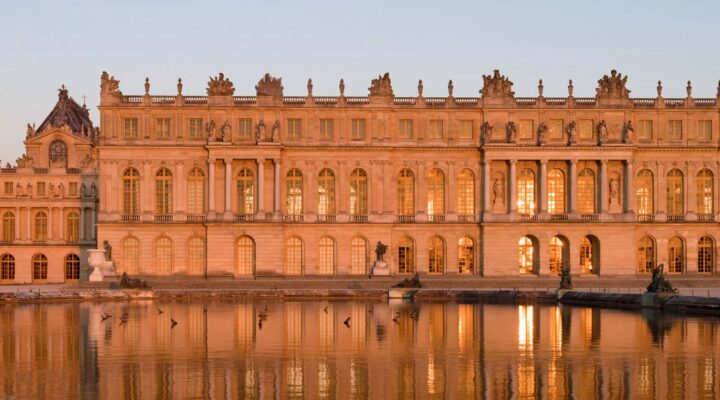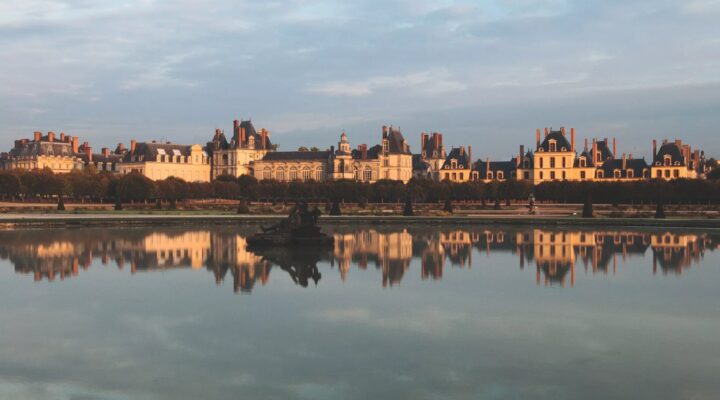
By the Ordinance of Montpellier of 1537, King Francis I required every printer in the kingdom to present a copy of each printed book to the royal library in order to identify works worthy of preservation. A founding act of legal deposit, this ordinance reflects the king’s ambition to gather all of France’s “memory” in one place.
Continuously enriched, the national collections comprise 40 million printed books, manuscripts, prints, photographs, maps and plans, coins, musical scores, videos and sound recordings, video games, posters, and theatrical costumes.
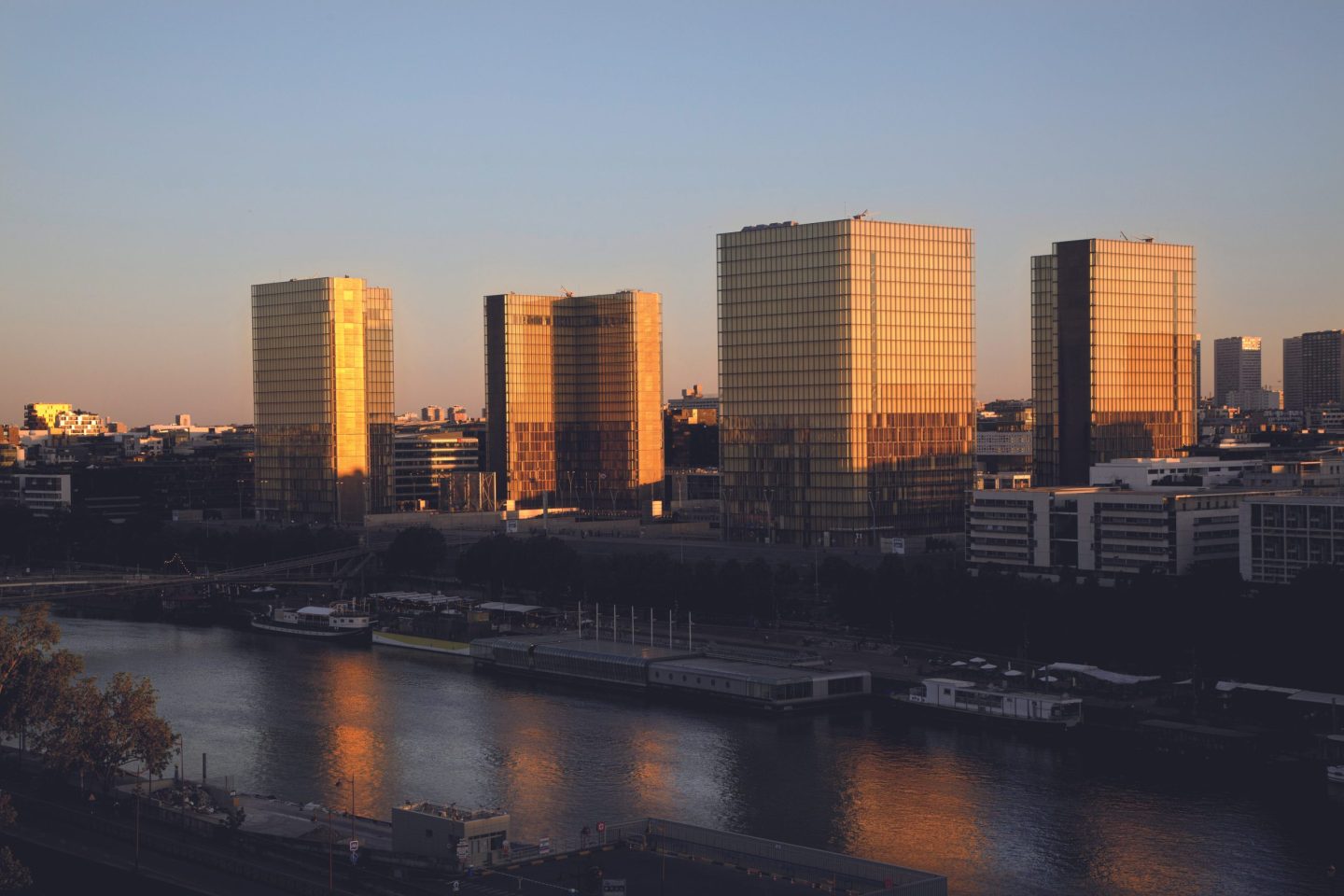
Both the architectural heritage -from the Mazarin Palace to the François Mitterrand site designed by architect Dominique Perrault – and the documentary heritage thrive thanks to the expertise of skilled professionals. The BnF is a living repository of artistic crafts: in bookbinding (paper, fabric, leather), gilding, the restoration of parchment and textiles, not to mention the preservation of photography and moving images. By bringing together this repertoire of artistic crafts within its workshops, the BnF contributes to their promotion and transmission through initial and continuing training.
A heritage library, a center of knowledge and research, the BnF is also a place for cultural exchange through its exhibitions and its museum of collections. Its digital library, Gallica, the richest in the world, contributes to the BnF’s influence, a vehicle for our cultural and scientific diplomacy. It is also for this reason that the BnF has adopted a roadmap on artificial intelligence and intends to integrate it into its professional practices, its ethical considerations, and its mission to protect our sovereign data.
The BnF became an institution cultural of Comité Colbert in 2026.
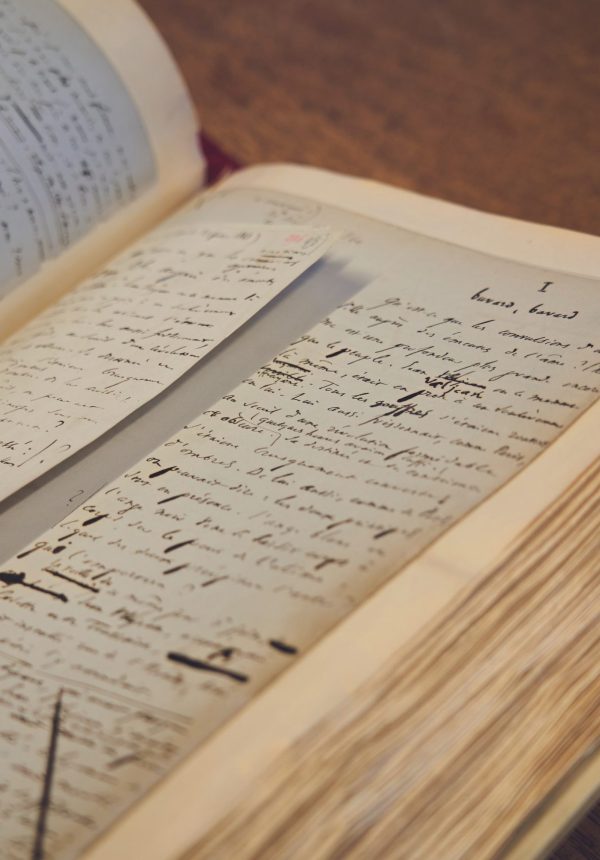
Its signature
Victor Hugo, the first writer to offer his archives to the nation, bequeathed his manuscripts, including those of Les Misérables and Notre-Dame de Paris, to the “National Library of Paris,” later the “Library of the United States of Europe.” Our collections have since been enriched by donations from authors and acquisitions.
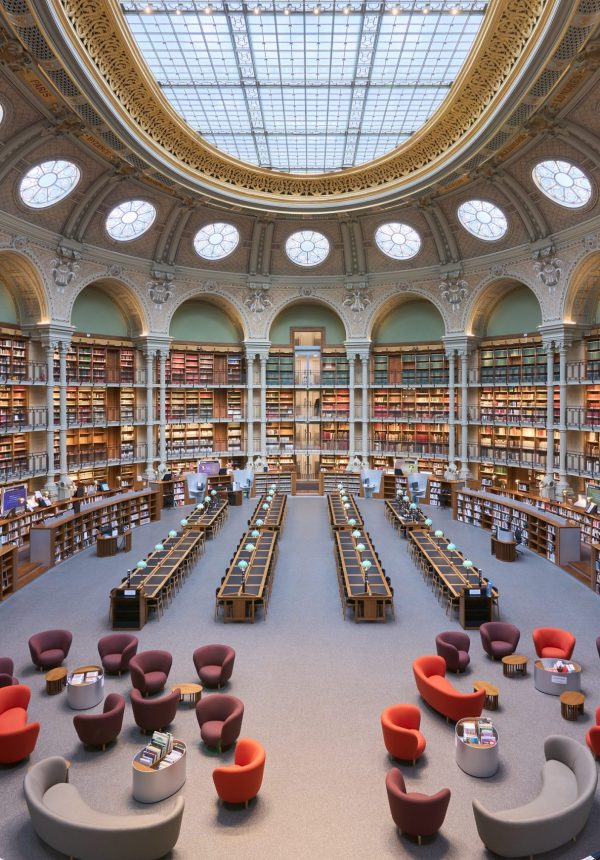
The address
In 1666, Jean-Baptiste Colbert, superintendent of the king’s buildings, established the royal library on rue Vivienne, in the former palace of Cardinal Mazarin. The following year, he attached the archaeological and numismatic collections of the King’s Cabinet to the library, before the transfer of the entire collection in 1721.